
Spugna - Porifera
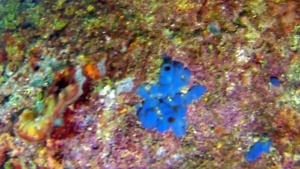
Blue Sponge - Phorbas tenacior
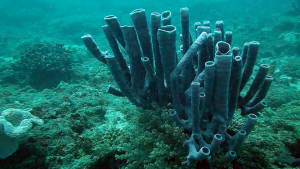
Callyspongia - Callyspongiidae
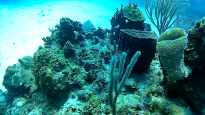
Callyspongia Plicifera
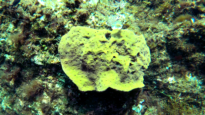
Demosponge - Demospongiae
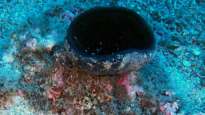
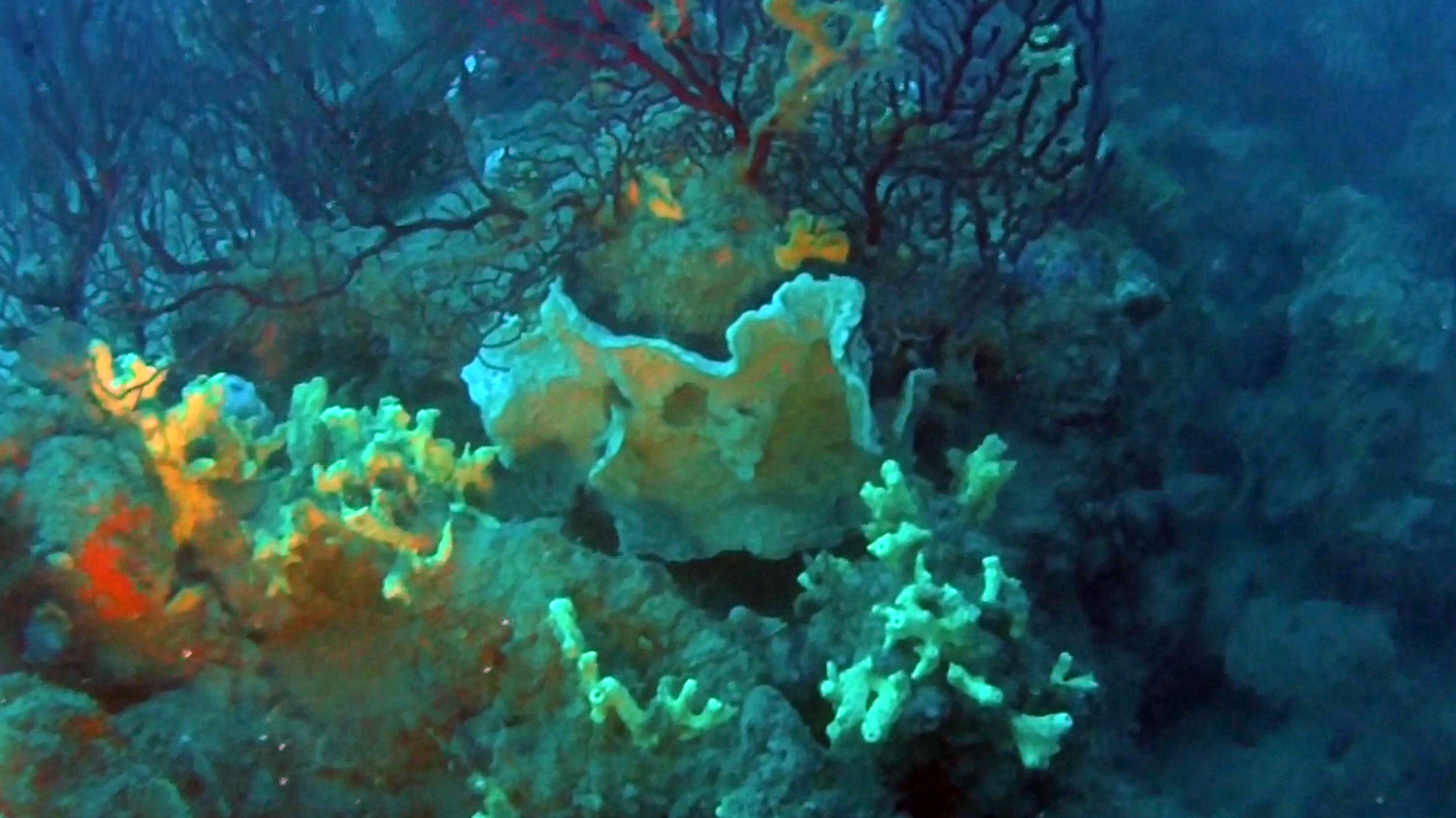
Goblet Sponge - Calyx nicaeensis
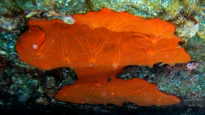
Red sponge - Spirastrella cunctatrix

Spongia officinalis
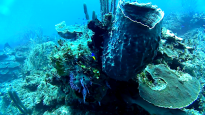
Spugna Barile - Xestospongia muta

Spugna Callyspongia ramosa
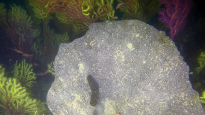
Spugna Orecchio di Elefante - Spongia agaricina
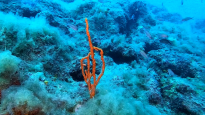
Spugna Ramificata - Axinella polypoides
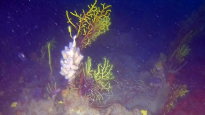
Spugna Tedania - Tedania anhelans
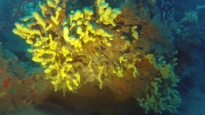
Verongia - Aplysina aerophoba
Spugna Porifera organismi pluricellulari Sponges multicellular organisms
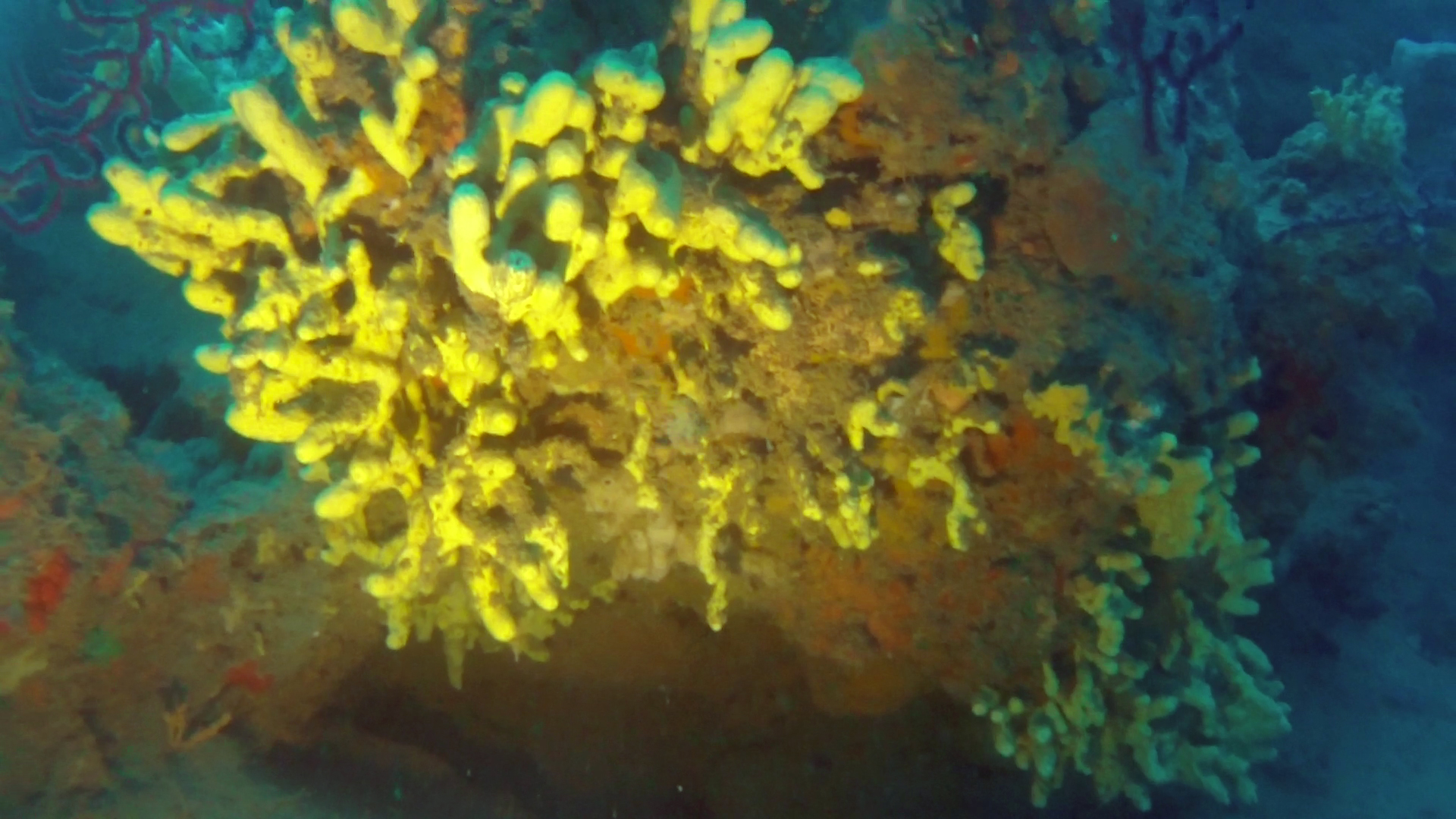
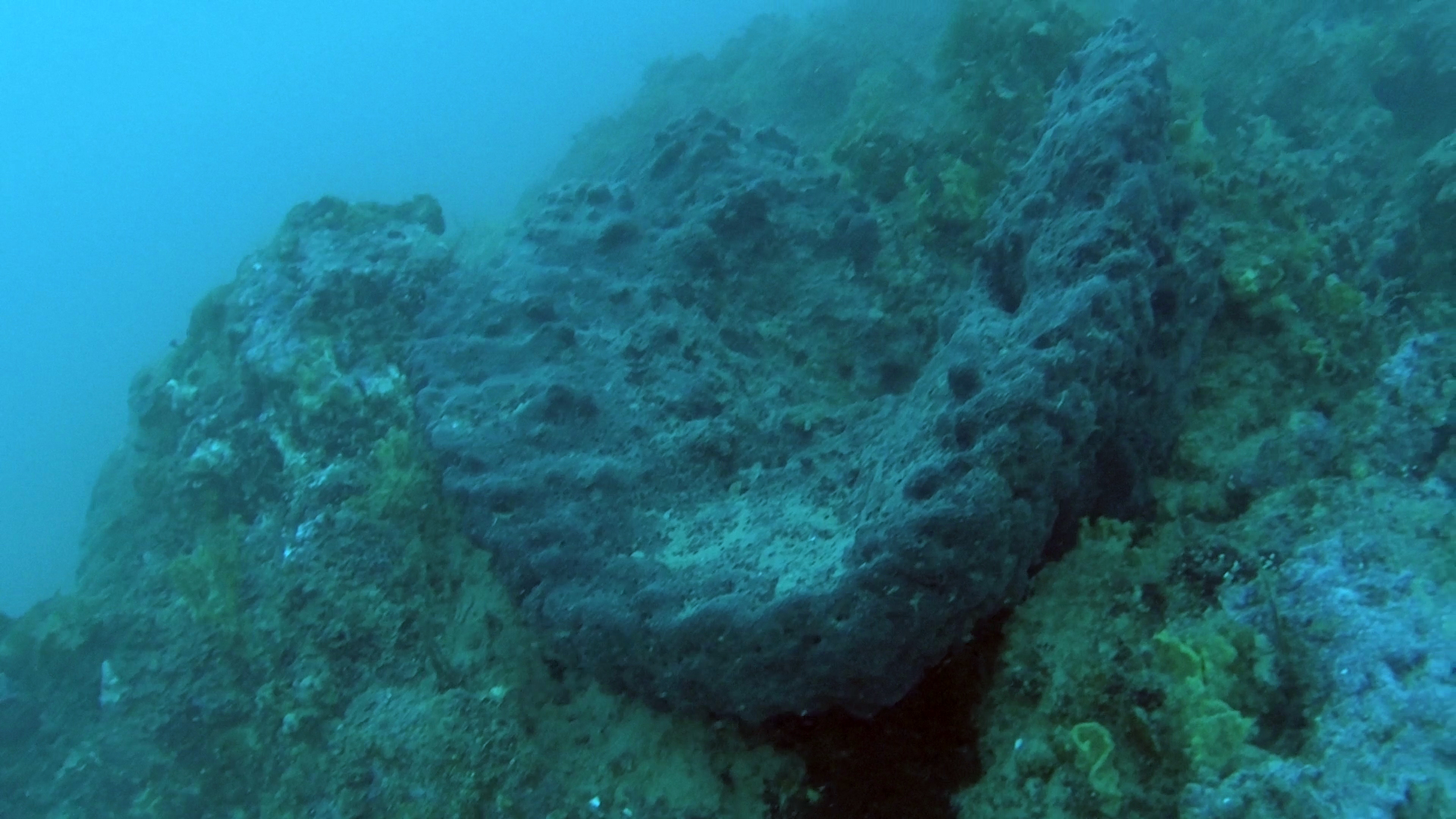
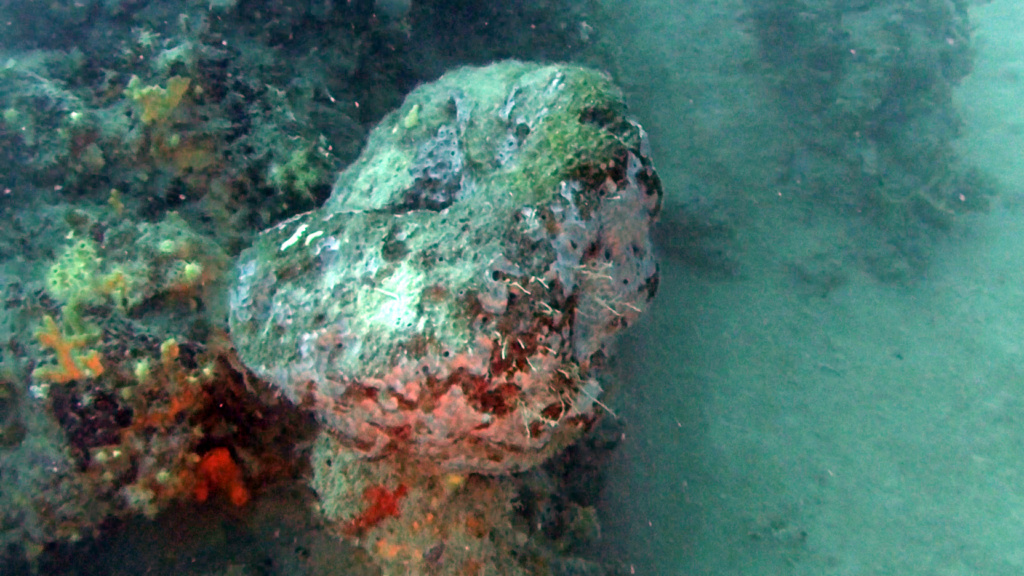
Sponges (Porifera Grant, 1836, from the Latin bearers of pores) or sponges are an animal phylum. It is multi-cellular organisms, having pores rich bodies and channels that allow water to flow through them; They are basically made up of a lot, or spongocele, structured as a compound or gelatinous mesoglea placed between two thin layers of cells, the coanoderma, pinacoderma interior and the exterior.
The non-differentiated cells in the mesoglia, or archeoblasti, able to transform to take on specialized functions, can migrate between the layers of main cells and the mesoglia. They possess a skeletal structure, the endoskeleton, formed by calcareous or siliceous spicules, or consist of protein fibers spongin, produced by specialized cells. Sponges do not have equipment or different organs; most of the functions are based on maintaining a constant flow of water through their bodies to obtain food and oxygen and remove catabolic products.

Generality Sponges are, like the other metazoan, multicellular, heterotrophic, they do not have cell walls and produce sperm and ovules. Unlike other animals, they do not have real tissues and organs, and, generally, do not have somatic symmetry. The shapes of their bodies are adapted for maximum efficiency of the flow of water through the central cavity, where it deposits nutrients, and exits through a hole called osculum. The interior of skeletons are spongine and / or formed by spicules of calcium carbonate or silica. All Sponges are aquatic animals, mostly marine and sessile; There are also freshwater species, and colonize environments ranging from tidal zones at depths exceeding 8000 m.
Evolution The taxonomists place the sponges in one of four sottoregni animals, that of Parazoi. Molecular analysis since 2001 have concluded that some groups of sponges are more closely related to the eumetazoi (the vast majority of animal organisms) than the rest of sponges. These findings imply that sponges are not a monophyletic group since the last common ancestor of all the sponges would also be a direct ancestor of eumetazoi, which are not sponges. A study conducted on the basis of comparisons of ribosomal DNA has concluded that the most important division within the phylum is among glassy or Hexactinellid sponges and the rest of the group, and that eumetazoi are more closely related to calcareous sponges, the ones with spicules calcium carbonate, compared to other types of sponge. In 2007, an analysis based on the comparison of RNA and another based primarily on comparison of spicules concluded that demosponge and glass sponges are more closely related to each other than other classes, like the calcareous sponges, which in turn are more closely linked to eumetazoi.
These and other analyzes have established that the sponges are the closest relatives of the common ancestors to all metazoans, that all multicellular animals. Another comparison in 2008 of 150 genes in each of 21 species ranging from fungi to humans, but including only two species of sponge, suggested that Ctenophora are the most basal lineage of metazoans sampled. If this is correct, modern Ctenophora have developed their complex structures independently of other metazoans, or the ancestors of sponges “were more complex” and all known sponges have been drastically simplified in the forms.
The study recommends further analysis using a wider range of sponges and other simple metazoan as placozoi. The results of this analysis, published in 2009, suggest that the return to the previous view, with the sponges to the evolutionary tree based, can be justified. a dendrogram constructed using a combination of all available data, morphological, developmental and molecular concluded that the sponges are actually a monophyletic group, with the twin group cnidarians formats to bilateria.
The first evidence of the existence of fossil Porifera date back about 570 million years ago (late Precambrian): the finds of that period, the so-called small shelly fauna (from English small shelly fauna), are composed largely of clusters spicules of sponges, together with fragments or disarticulated remains of other organisms such as mollusks, brachiopods, echinoderms.
Comment (20)
Post A Comment For The Creator: Andrea Cirivasi
You must be logged in to post a comment.
Hello there! This post could not be written any better!
Reading through this post reminds me of my previous room
mate! He always kept talking about this.
I will forward this page to him. Fairly certain he will have a good read.
Many thanks for sharing!
Good post. I learn something totally new and challenging
on blogs I stumbleupon on a daily basis. It’s always exciting
to read content from other writers and use something from other websites.
Do you have any video of that? I’d care to find out
more details.
Wow that was unusual. I just wrote an extremely long comment but after I clicked submit my comment didn’t show up.
Grrrr… well I’m not writing all that over again. Anyhow,
just wanted to say superb blog!
We are a group of volunteers and opening a new scheme in our community.
Your web site offered us with valuable information to work on. You have done a formidable job and our entire community will be thankful to you.
For hottest news you have to pay a quick visit the web and on web I found this site as a best site for
most up-to-date updates.
Post writing is also a fun, if you be acquainted with afterward
you can write or else it is difficult to write.
Sweet blog! I found it while browsing on Yahoo News. Do you have any suggestions on how
to get listed in Yahoo News? I’ve been trying for
a while but I never seem to get there! Cheers
Saved as a favorite, I like your web site!
Great post. I used to be checking continuously this blog and I’m inspired!
Extremely helpful information particularly the closing
phase 🙂 I handle such info much. I used to be looking for this particular info for a long time.
Thanks and best of luck.
I couldn’t refrain from commenting. Perfectly written!
I like the report
I’ve been having issues with my Windows hosting. It has set me back quite a bit while making the next list. This is the current list that I have. I should add another list in less than a week. I’ll let you all know when the next list is ready. Thank you for your patience.
Thank you for the great post
Appreciate you sharing, great blog post. Fantastic.
This article is actually a nice one it helps new net visitors, who are wishing in favor of blogging.
I discovered your blog site on google and check a few of your early posts. Continue to keep up the very good operate. I just additional up your RSS feed to my MSN News Reader. Seeking forward to reading more from you later on!?
Hello there! This is my first visit to your blog! We are a group of volunteers and starting a new project in a community in the same niche. Your blog provided us valuable information to work on. You have done a extraordinary job!
I’m amazed, I have to admit. Seldom do I encounter a blog
that’s both equally educative and entertaining, and let me tell
you, you have hit the nail on the head. The issue is
something too few folks are speaking intelligently about.
I am very happy I came across this during my search for something concerning this.