Halimeda tuna

In this video

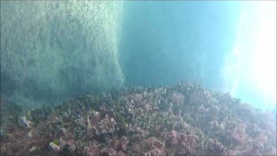
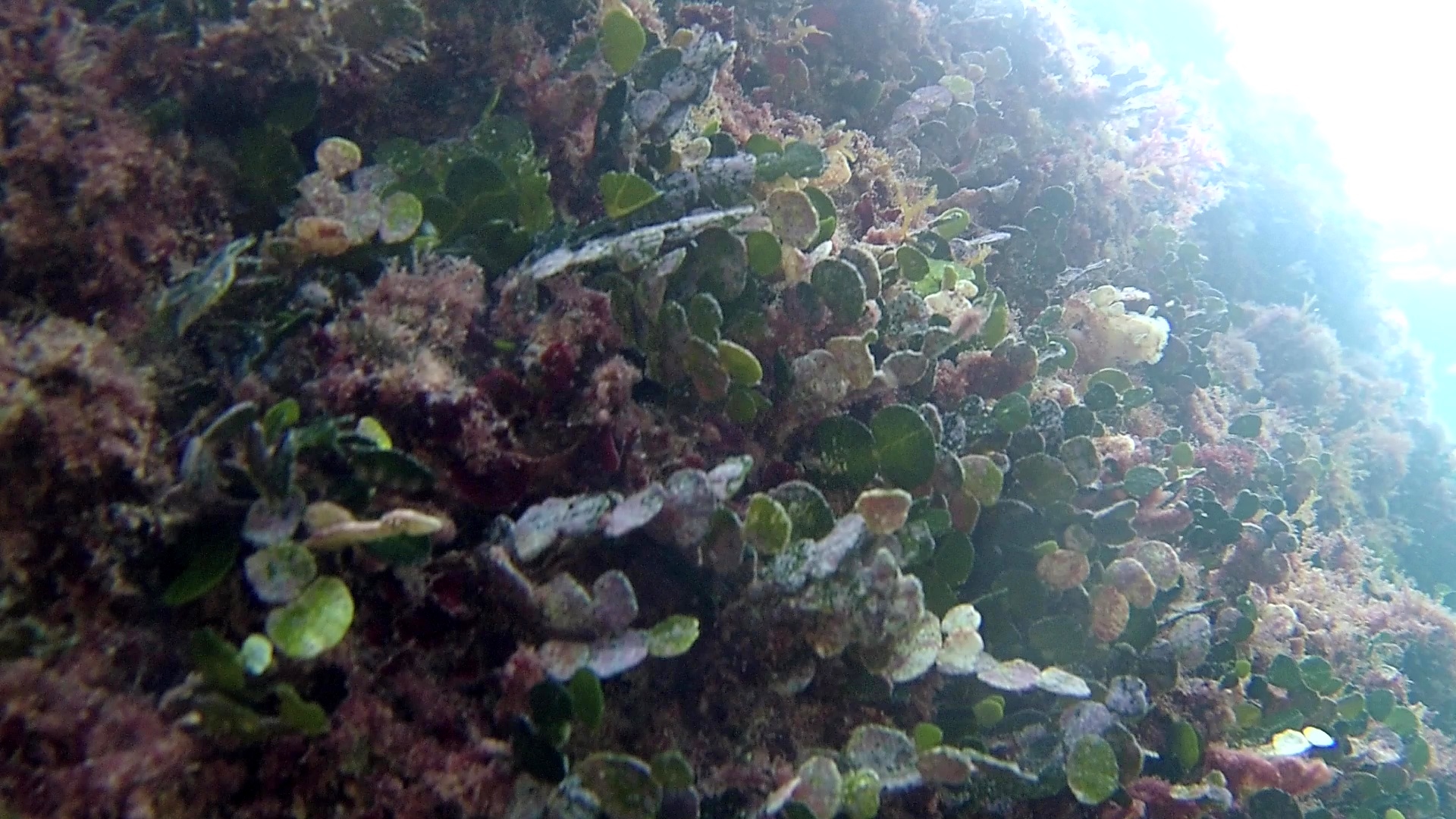
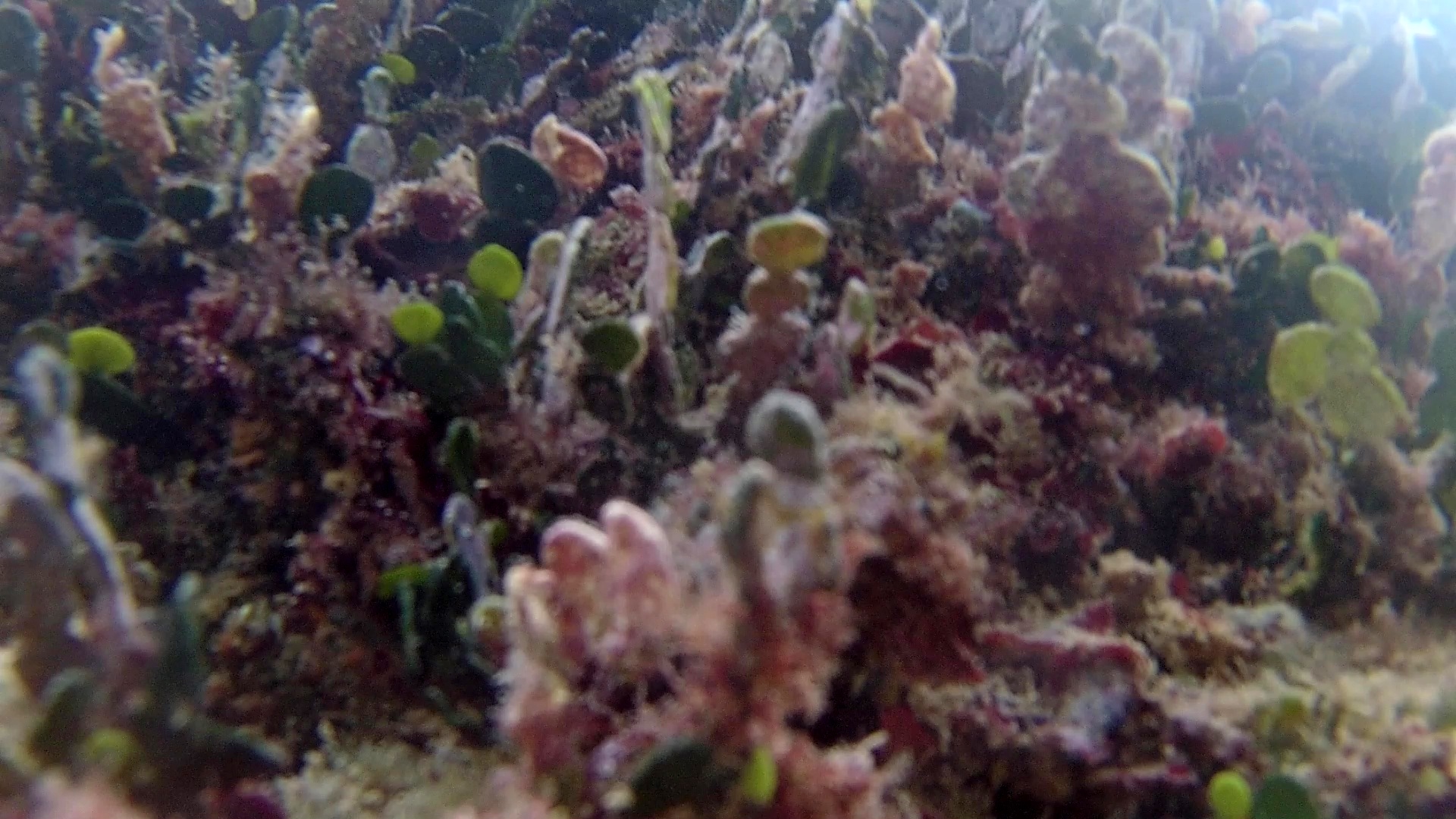
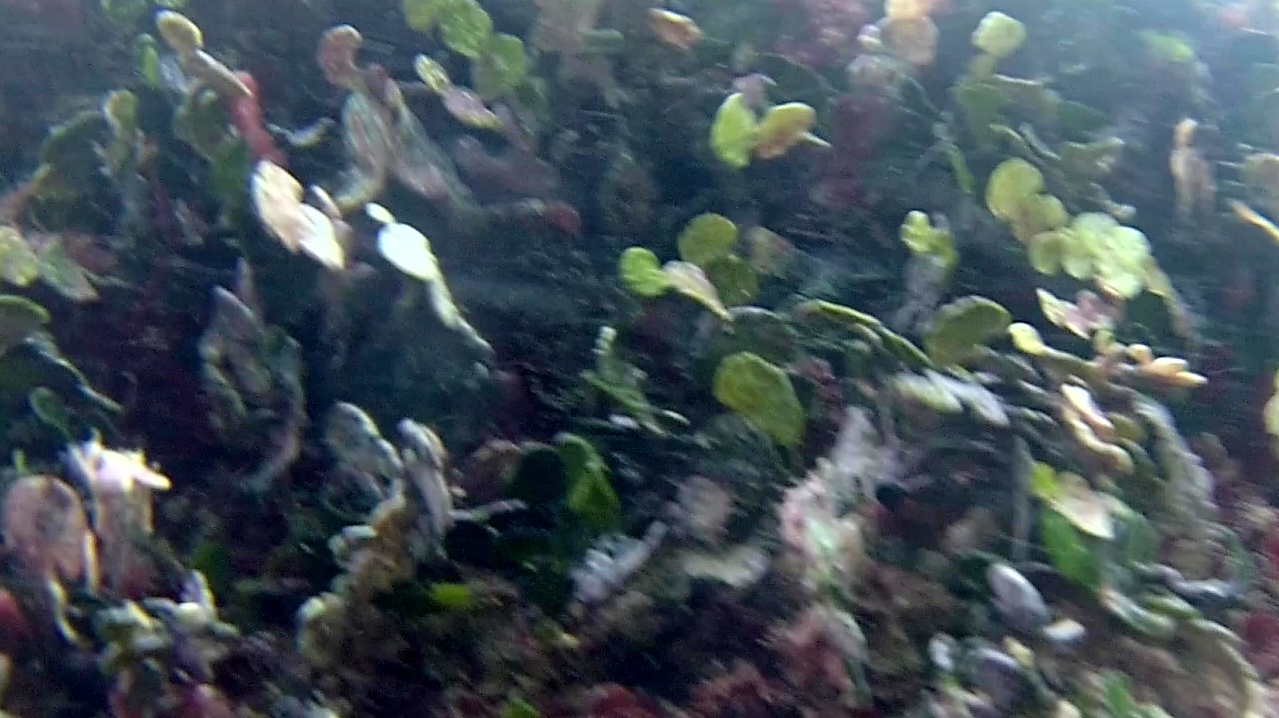
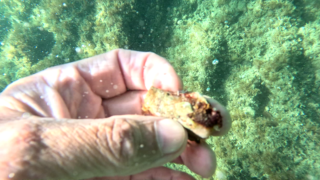
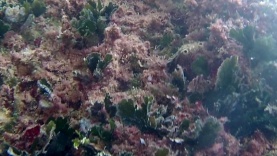
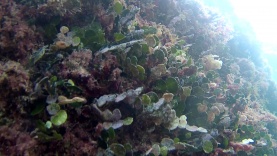
Halimeda tuna is a species of calcareous green seaweed in the order Bryopsidales. It is found on reefs in the Atlantic Ocean, the Indo-Pacific region and the Mediterranean SeaHalimeda tuna is the type species of the genus Halimeda and the type locality is the Mediterranean Sea. The specific name “tuna” comes from the Taíno language, meaning “cactus” and referring to the resemblance of the thallus to the growth form of an Opuntia cactus. Is a calcareous green seaweed, attached to the seabed by a holdfast. Each individual thallus (frond) consists of a single cell forming a tube with multiple cell nuclei. The cytoplasm is mobile and the nuclei, chloroplasts and other cell contents are free to move around inside the cell wall. The tube has flattened, disc-like segments connected by flexible joints. The surface of these segments have swollen areas called utricles which together make a tabular “cellular pavement”. Below and between these utricles, there are gaps and it is here that the fluid is saturated with calcium carbonate and crystalline needles of aragonite form. These stiffen the segments and make the seaweed unpalatable to fish. When the seaweed dies, this skeletal material breaks down into “sand”. Members of this genus are likely to be one of the most important agents of calcification in the marine environment, considerably more productive in tropical seas than stony corals.

Sea green Seaweed - Alga marina verde - Halimeda tuna - www.intotheblue.it - www.intotheblue.link
Sea green Seaweed – Alga marina verde – Halimeda tuna – www.intotheblue.it – www.intotheblue.link

This species is found in the tropical and subtropical Indo-Pacific region, the Mediterranean Sea and the western Atlantic Ocean. It grows on rocky reefs from the shallow subtidal zone down to depths of about 70 m. In the Mediterranean Sea it occurs in two separate habitat types; shallow, warm lagoons and sheltered places in the central Mediterranean and deep water 18 m rocky habitats in the northwest Mediterranean. Similarly, in the Florida Keys, it is the dominant green alga in shallow back reef locations and in much deeper, less well lit, reef slope habitats.

(extract from Wikipedia)

This slideshow requires JavaScript.


(Visited 377 times, 1 visits today)

You might be interested in