

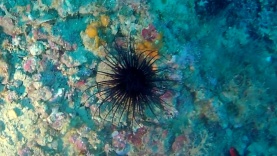
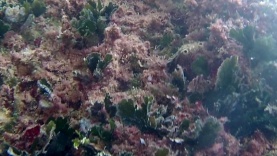
Un Mare di Plastica…?!

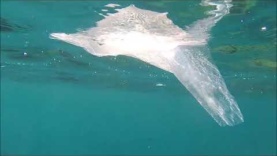

Plastic and microplastic
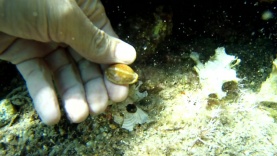
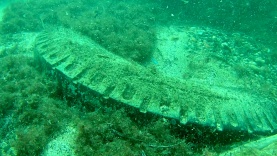
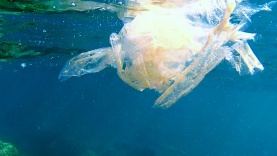
This movie shows a show that we divers see, now almost always, during our dives. We wanted to publish it because pollution in sea increases day by day and it is up to everyone to deal with it to try to avoid it or at least reduce it considerably. That chemical we do not always see, but pollution from plastic materials and microplastics (which resemble plankton), in addition to documenting it, we know that it is becoming a huge problem not only for the Mediterranean Sea but for the seas of all the Our planet.
Marine animals, fish, cetaceans, marine reptiles, crustaceans, etc. do not distinguish the plastic materials from the plankton or jellyfishes they feed on and then try to eat them by swallowing them. It often happens that plastic bags swallowed lead to the death of animals or end up in their meat and then in the food chain that sees the man at the top.
The plastic deforms but does not break for many years, and can be ingested and accumulated in the body and tissues of many organisms. The entire cycle and movement of plastics and microplastics in the environment has not yet been studied extensively; Especially for the difficulty of analyzing a mixture of various types of plastic more or less inert. Recent studies have shown that the pollution by microplastics has reached the food chain affecting not only the marine fauna but also food such as sea salt, beer, honey, etc.
You might be interested in

You must be logged in to post a comment.