Giant Trevally

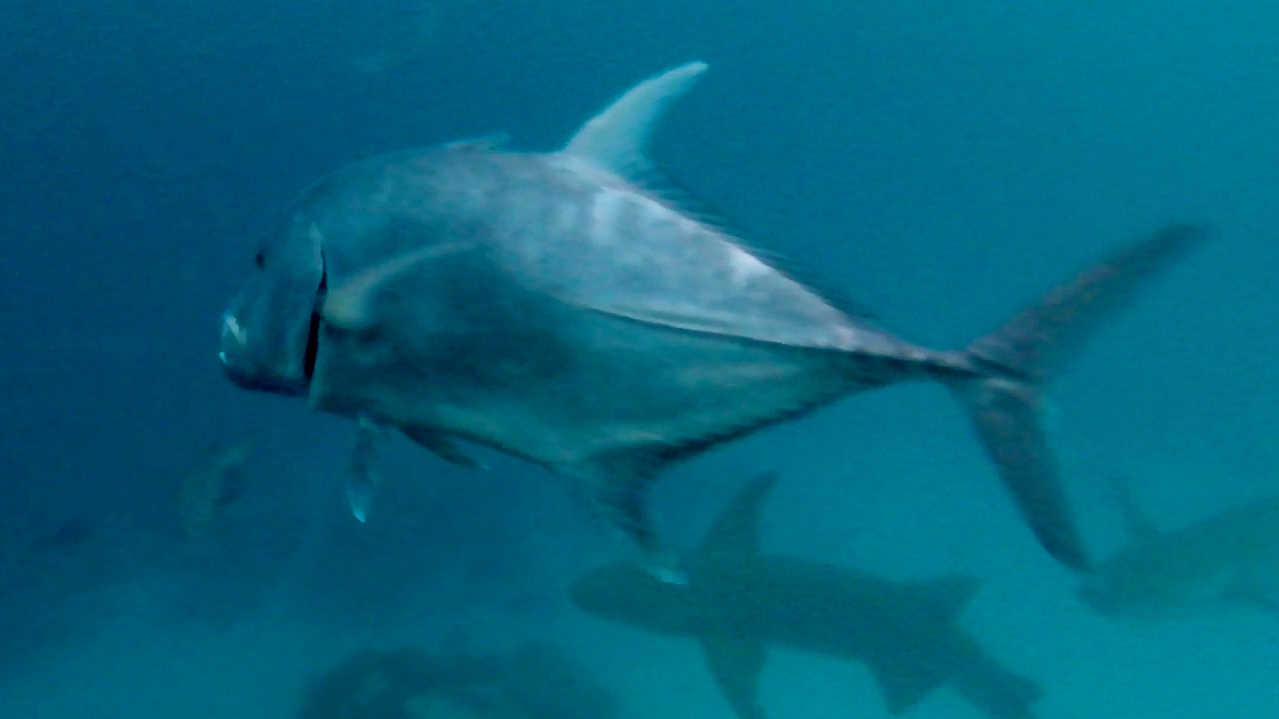
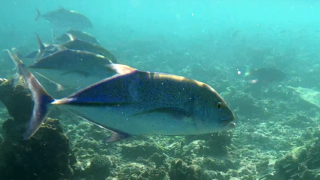
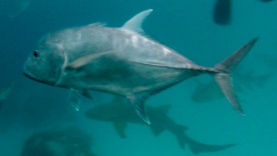
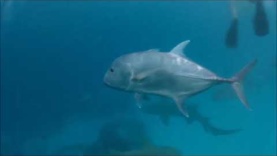
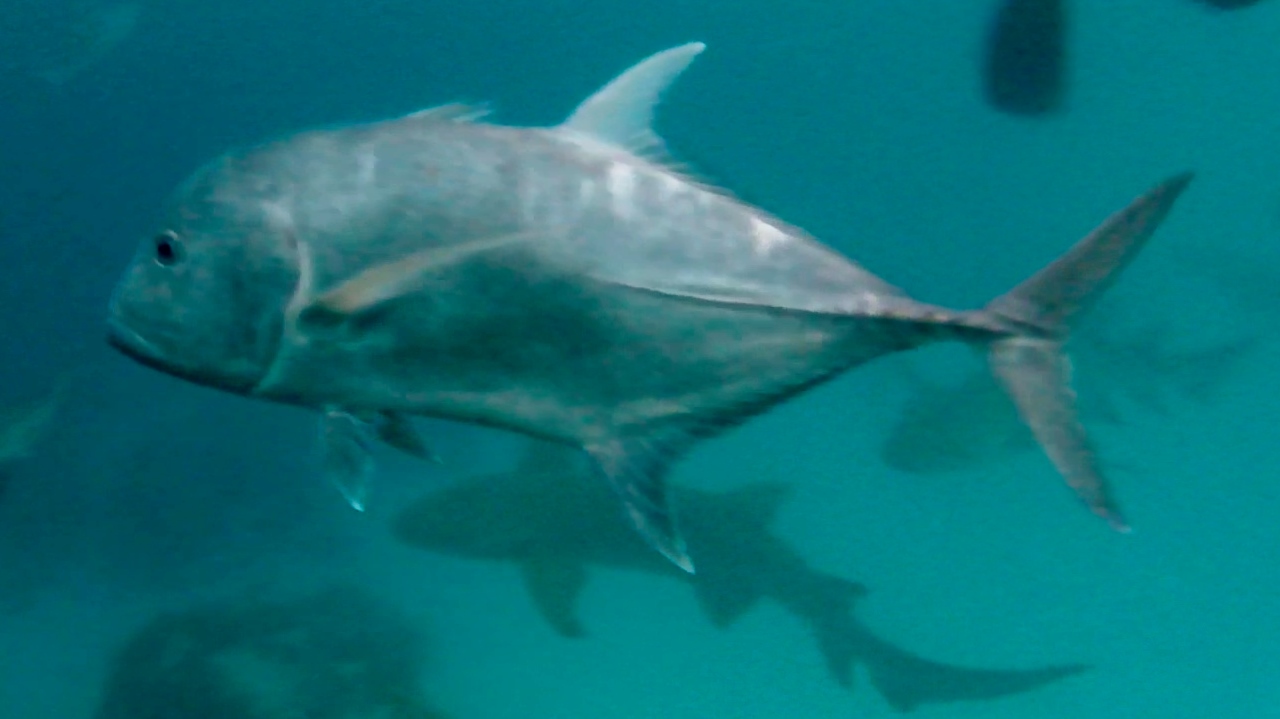
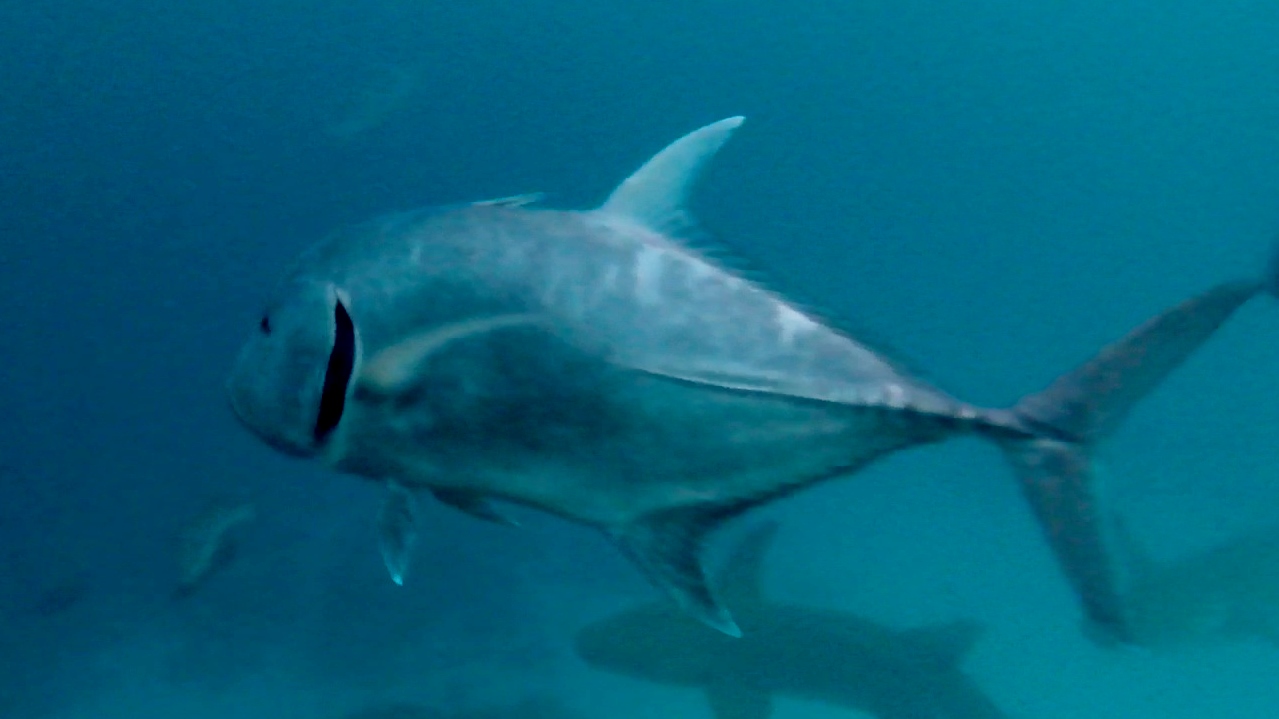
The Giant Trevally (Caranx ignobilis), also known as the lowly trevallybarrier trevallygiant kingfish or ulua, is a species of large marine fish classified in the jack family Carangidae. The giant trevally is distributed throughout the tropical waters of the Indo-Pacific  region, with a range stretching from South Africa in the west to Hawai in the east, including Japan in the north and Australia  in the south. is both an important species to commercial fisheries and a recognised gamefish, with the species taken by nets and lines by professionals and by bait and lures by anglers. Catch statistics in the Asian region show hauls of 4,000–10,000 tonnes, while around 10,000 lb of the species are taken in Hawaii each year. The species is considered poor to excellent table fare by different authors, although ciguatera poisoning is common from eating the fish. Dwindling numbers around the main Hawaiian Islands have also led to several proposals to reduce the catch of fish in this region. carango gigante indopacifico

Giant Trevally - Carango Gigante Indopacifico - Caranx ignobilis - www.intotheblue.it - www.intotheblue.link
Giant Trevally – Carango Gigante Indopacifico – Caranx ignobilis – www.intotheblue.it – www.intotheblue.link

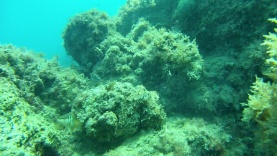
The Giant Trevally  is classified within the genus Caranx, one of a number of groups known as the jacks or trevallies. Caranx it self is part of the larger family Carangidae, a group of percoid fishes in the order Perciformes. It reaches a maximum length of 170 cm for 80 kg of weight, being able to live up to 15 years. The giant trevally inhabits a very wide range of offshore and inshore marine environments, with the species also known to tolerate the low salinity waters of estuaries and rivers. It is a semipelagic fish known to spend time throughout the water column, but is mostly demersal in nature. The species is most common in shallow coastal waters in a number of environments, including coral and rocky reefs and shorefaces, lagoons, embayments, tidal flats and channels. They commonly move between reef patches, often over large expanses of deeper sand and mud bottoms between the reefs.
This slideshow requires JavaScript.


(Visited 1,566 times, 1 visits today)

You might be interested in