

Maxima Clam

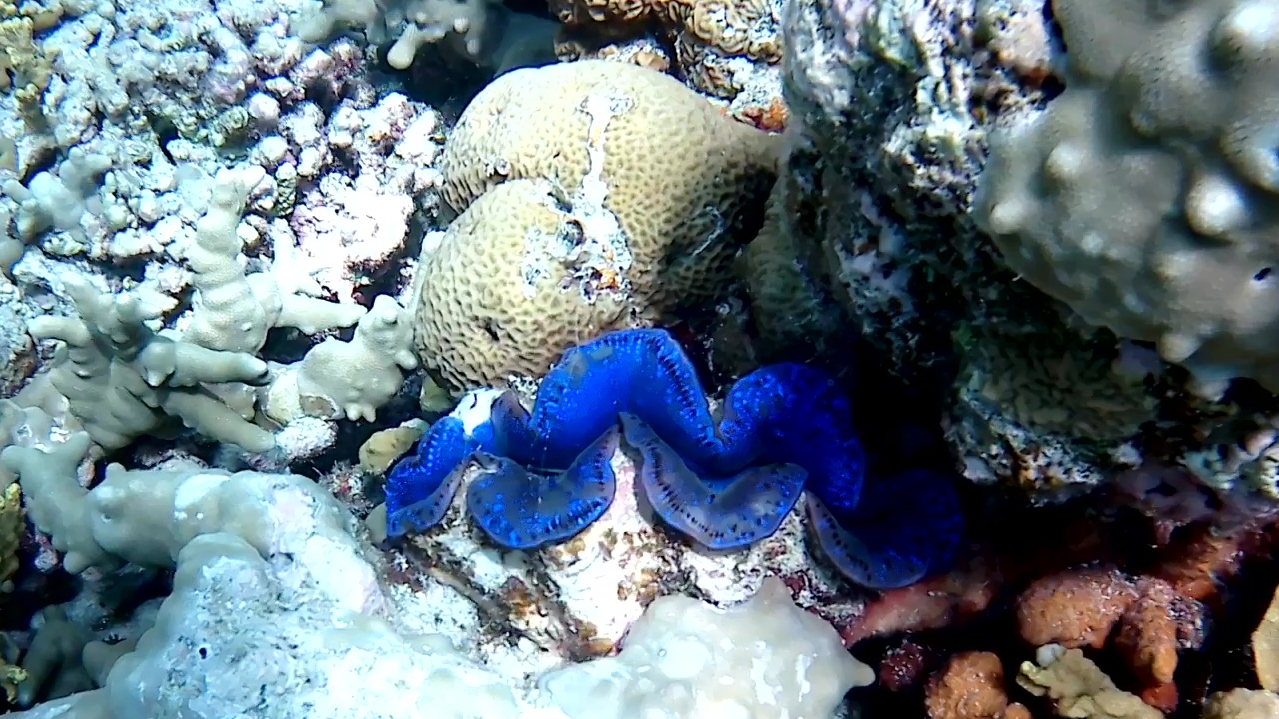
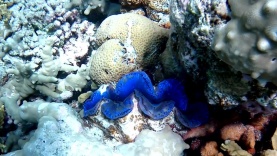
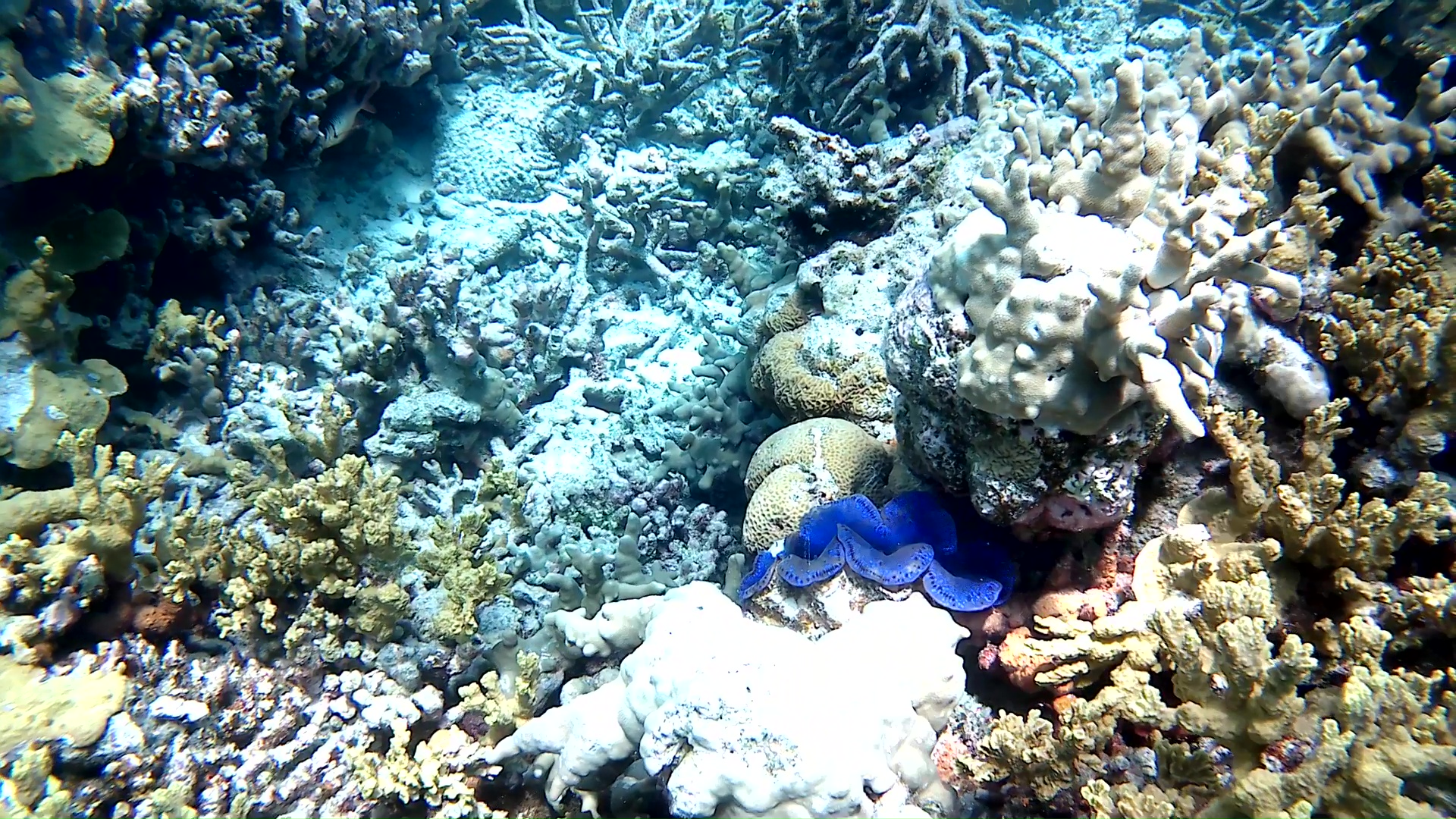
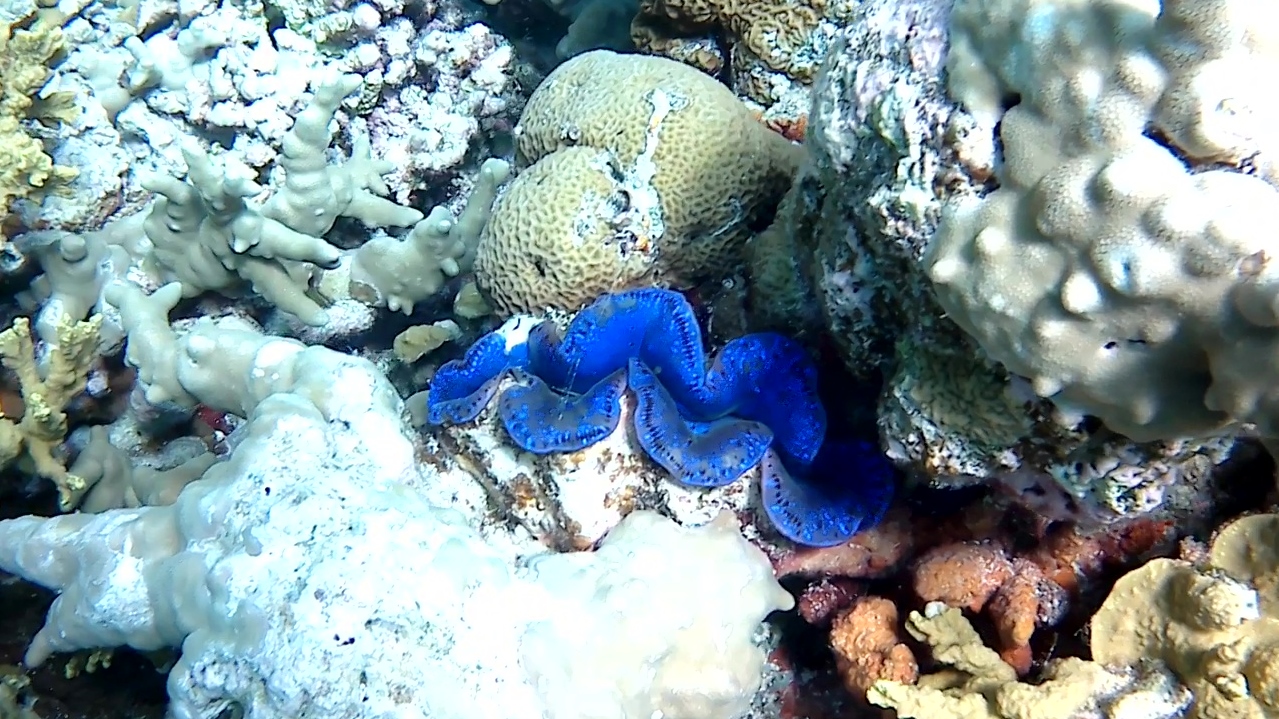
Tridacna Maxima is a giant bivalve species of the Tridacnidae family. Popular among the aquarists, it is often found in a marine aquarium. In Polynesia This species is called “Pahua ” and enters the local cuisine.
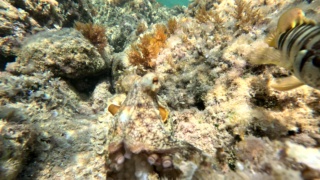
Adults develop a large shell that adheres to the substrate with the fine woven linen, a tuft of long, tenacious filaments protruding from a hole near the hinge. Tridacna maxima bivalve gigante famiglia Tridacnidae intotheblue.it
It is a sessile bivalve that can reach an impressive size from 40cm to 60 cm. During the day, it opens its mantle, often very colorful (blue, green, violet…) To ensure the photosynthesis of its symbiotic algae, which contribute to nourish it. It is however able to shrink very quickly and to close suddenly by breaking any object that could be found between its two solid valves actuated by an extremely powerful muscle.
You might be interested in