

Fenicotteri Rosa - Phoenicopterus roseus


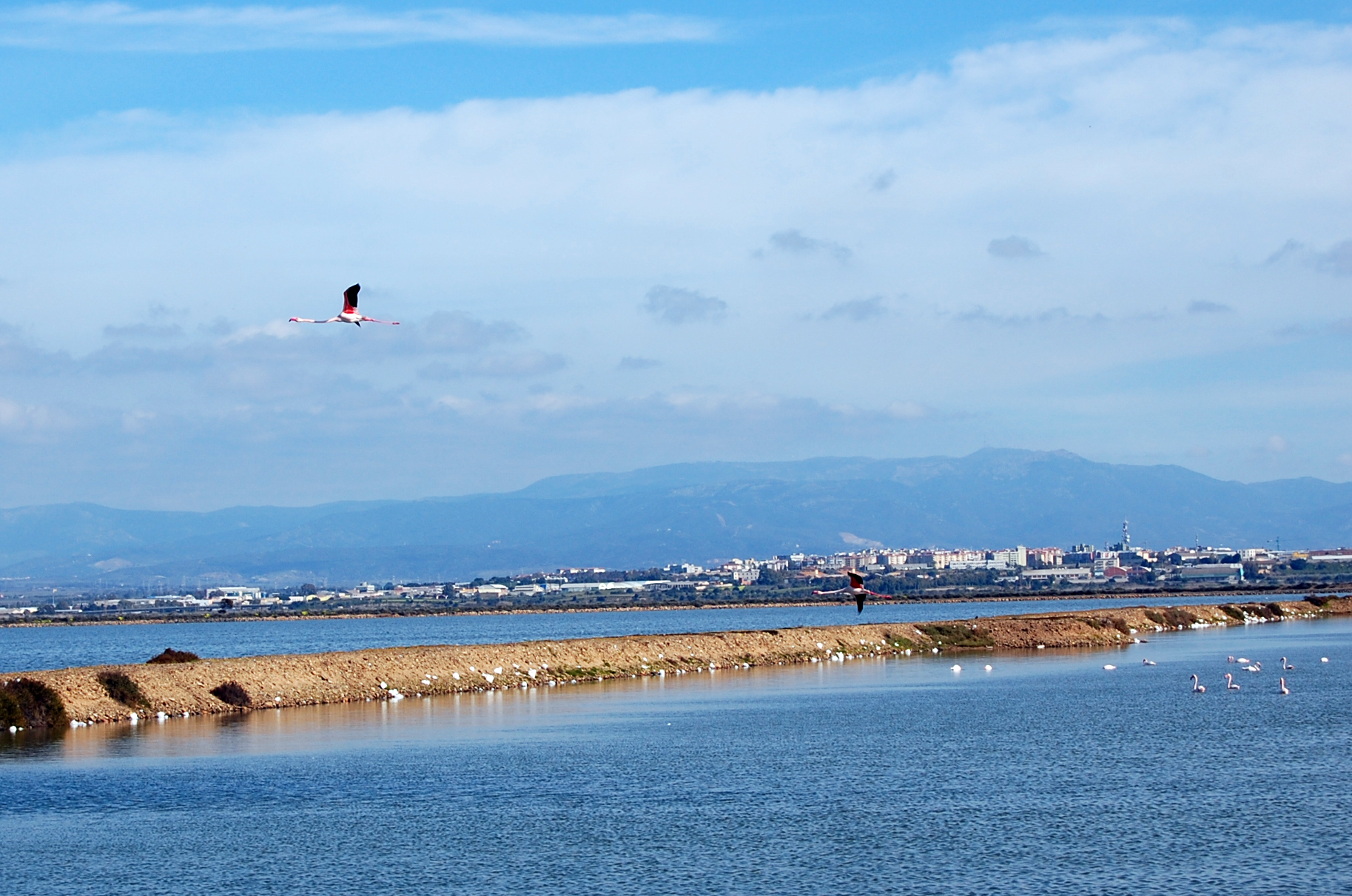
This species native to Africa has found its ideal habitat in the south of Sardinia in the brackish waters of Cagliari and its surroundings, where it has been nidifying for several years, feeding on shrimp algae and small molluscs present in the lagoon areas.
The causes are still unknown, probably global warming has meant that this species migrated in search of new habitats, some specimens have been sighted addiruttura in the lagoon of Orbetello in Tuscany. The fact is that in Sardinia now the flamingo has become a sedentary species. Rather shy towards man, it has now colonized these ponds bordering the urbanized areas, and as we can see from the photos taken this winter even the youngest specimens (those that have not yet developed pink plumage) are now omnipresent. Below we report some news found on the web.
http://www.uccellidaproteggere.it/Le-specie/Gli-uccelli-in-Italia/Le-specie-protette/FENICOTTERO
SCIENTIFIC PHENICOTTERONOME: Phoenicopterus roseus
Order: Phoenicopteriformes Family: Phenicopteridae
Up to one and a half meters high, flamingo is a large bird found practically all over the world. Colorful – in its nominal subspecies – it nests from the West Indies to the Galapagos. It is instead the “common” pink flamingo to be typical of our latitudes, but also of South-West Asia and Africa.
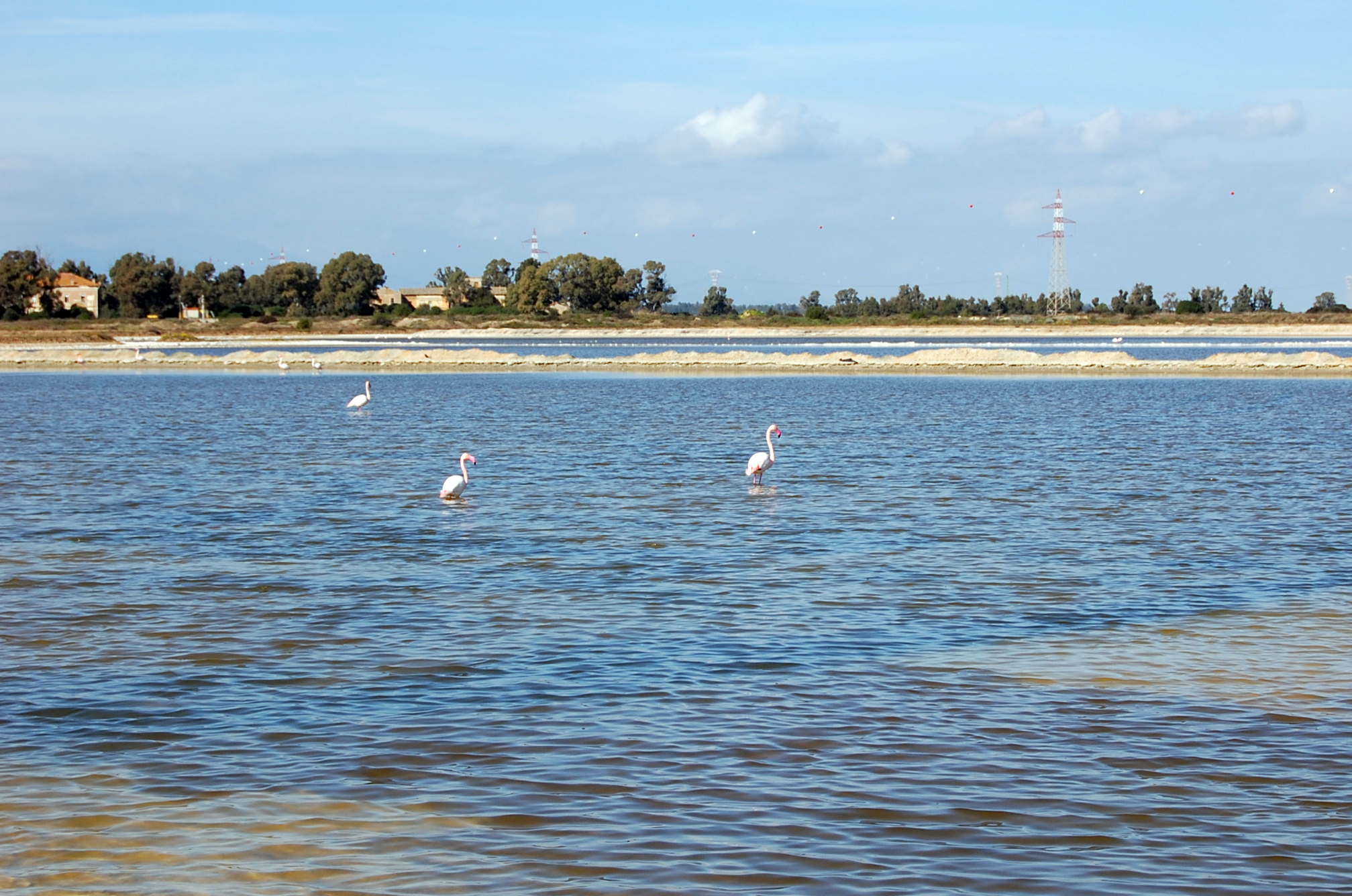
Typically Mediterranean species, Flamingos live in Italy only since 1993, in the area of Montelargius, Sardinia. Later, attempted reproductions – and often successful – have occurred in Tuscany, Puglia, in the Valli di Comacchio, where large groups of these birds also gather in portions of the wetland not far from villages or urbanized areas.
Flamingo is characterized by a very high mobility. Only the reading of the colored rings made it possible to discover how many individuals move for large portions of the Mediterranean. Pink plumage – also intense – and close dependence on humid environments with good availability of food (typically algae and molluscs) characterize this species.

You might be interested in